The AI Reality Check: Consumers Yawn While Creators Take a Hard Stance
Today’s AI landscape presented a familiar dichotomy: frantic corporate efforts to push hardware and integration met with consumer indifference, all while the ethical battlegrounds of the creative industry grew sharper. We saw major tech players scrambling to justify the massive investment in local AI capabilities, even as groundbreaking research demonstrated the technology’s profound utility in pure science.

The biggest story today, perhaps paradoxically, was the failure of a planned movement. According to reports, the heavily promoted “AI PC” concept is not finding its audience. Microsoft’s partners are reportedly scrambling because AI PCs aren’t selling, suggesting that consumers don’t yet see a compelling reason to purchase new hardware just for a Copilot button or faster local processing. This market skepticism casts a shadow over new announcements like the debut renders of AMD’s Ryzen AI 400, which promises to bring desktop sockets into the world of powerful Neural Processing Units (NPUs). The challenge for chipmakers and Microsoft isn’t just building the technology; it’s convincing people they need it right now.
The Generative Split: AI Moves Into the Shadows of Search and the Spotlight of Intimacy
Today’s news cycle reinforces a core truth about 2026: AI is simultaneously vanishing into the background of our software and grabbing explosive headlines in the physical world. We saw major tech companies double down on invisible integration, while the creative and ethical debates reached new peaks, pushing AI into domains ranging from pure mathematics to highly personal companionship.

The biggest trend in corporate AI today is the deliberate blurring of lines between the AI and the application itself. Google, for instance, is reportedly removing the dedicated Gemini side panel for many paying subscribers in Gmail, pushing those functionalities directly into “in-line AI experiences” within the email workflow itself, according to 9to5Google. This move signifies the end of AI as an optional, separate add-on and the beginning of its status as essential, embedded infrastructure.
The AI PC Paradox: Why Consumer Apathy is Fighting Silicon Hype

Today’s AI landscape presented a compelling study in contrasts, simultaneously revealing the staggering ambition of tech giants and the frustrating apathy of the actual consumers. We saw major players pushing to redefine the very operating system of the future, while, on the ground, hardware makers admitted that the supposed “AI PC” revolution hasn’t yet landed with the public.
The AI PC Paradox: Why the Industry’s Hype Is Colliding with Consumer Reality at CES

The Consumer Electronics Show (CES) 2026 has been utterly saturated with Artificial Intelligence this year, but today’s headlines reveal a deep, philosophical schism at the heart of the tech industry: The market is aggressively pushing the “AI PC” while consumers remain largely unconvinced. This tension defined the day, offering us a necessary dose of skepticism amid the usual Vegas flash.
The most telling sign that the AI PC revolution hasn’t fully landed came from Dell. A representative from the company reportedly admitted that consumers simply don’t care about AI PCs, signaling a crucial shift in focus away from making AI the central selling point. This is a stunning reversal given the intense focus on Neural Processing Units (NPUs) and on-device processing we’ve seen over the last year. If Dell is already pivoting away from the hype, it suggests the promised benefits of local AI haven’t translated into compelling real-world value for the average user.
The Gemini Invasion and the War on 'AI Slop'
Today’s headlines paint a perfect picture of where Artificial Intelligence stands right now: hyper-integration across every device we own, coupled with a deep, existential debate about the value and quality of the content it produces. From massive tech companies embedding AI into our living rooms to the smallest wearables trying to capture our conversations, AI is becoming the default operating system for digital life.
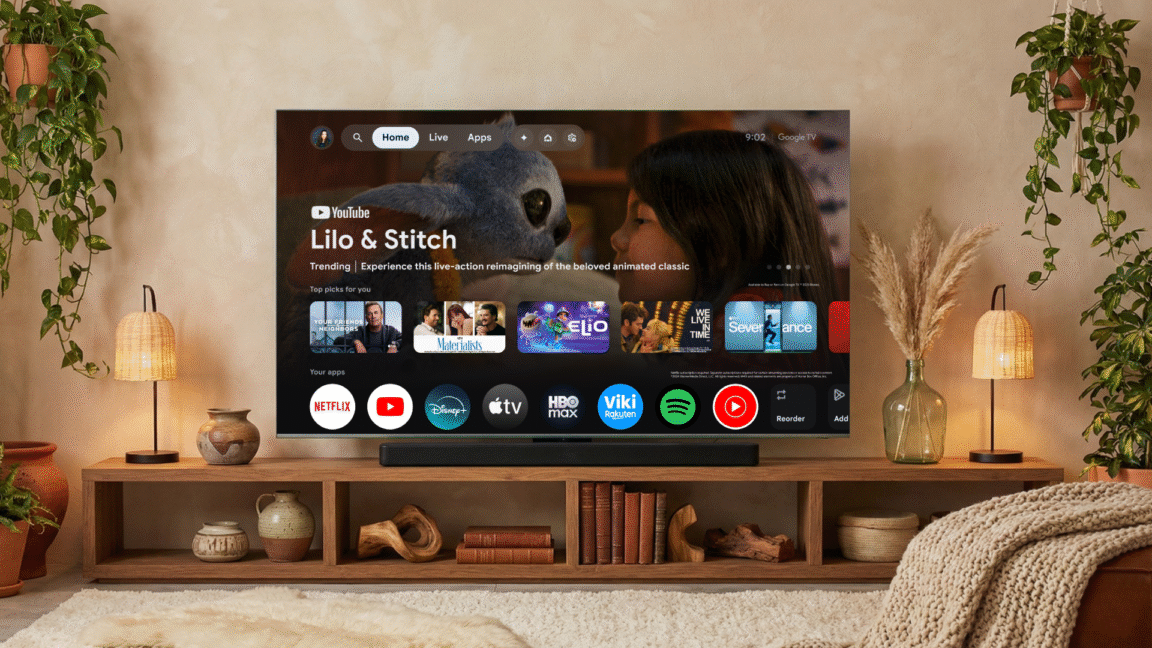
The most powerful trend today is the total commitment to integration, particularly from Google. The company is clearly executing a scorched-earth strategy to bake its large language model, Gemini, into every corner of its ecosystem. We saw expansion across entertainment and enterprise, demonstrating that the AI experience isn’t just about search anymore. News broke that Gemini is expanding deeply into Google TV, allowing users to generate and view content—both images and videos—right on the big screen, alongside new voice controls for system settings. Simultaneously, for the business world, Google is prepping a new “Gemini Notes” feature for its enterprise version of Google Voice to provide instant call transcripts. It’s clear the utility play is paramount: making AI an invisible layer of productivity, whether you’re trying to summarize a boring meeting or conjure a unique piece of media.
The Battle for the Definition of AI: Why Corporate Rhetoric and Smart Rings Dominated the Day
Today, the world of Artificial Intelligence felt less like a quiet lab and more like a crowded showroom floor combined with a high-stakes corporate boardroom. The narrative driving the day wasn’t just about technical breakthroughs, but about managing public perception, solidifying market dominance, and aggressively embedding AI into the very fabric of our personal devices.

Perhaps the most telling headline came from Microsoft CEO Satya Nadella, who published a strong argument urging the public to actively stop thinking of AI outputs as “slop” and instead embrace its function as a productivity-boosting human helper. This rhetoric underscores a major challenge for the industry: as Generative AI becomes ubiquitous, its uneven quality risks diminishing its perceived value. Nadella’s plea highlights the delicate tightrope major tech firms are walking as they push the technology into the mainstream.
The AI Appliance Boom: Why Your 'Second Brain' Gadget Might Be Running Out of Earth

Today’s news cycle offered a fascinating dichotomy in the world of artificial intelligence. On one hand, we’re seeing an explosive proliferation of hyper-specialized AI appliances aimed at solving niche, everyday problems. On the other, the industry is grappling with massive, existential challenges: the environmental cost of training models and a growing cultural revolt against low-quality, automated content. It seems AI is simultaneously becoming deeply personal and alarmingly unsustainable.
The Fog of AI: Corporate Consensus, Creative Crisis, and the Rise of 'Slop'
Today’s AI landscape presented a study in contrasts, ranging from the philosophical heights of corporate strategy to the messy, unavoidable realities of modern digital content. We saw major players defining the ethical stakes while smaller battles raged over authenticity and the sheer proliferation of AI-generated noise—or, as the industry has begrudgingly started calling it, “slop.”

Leading the discussion on the macro level was Microsoft CEO Satya Nadella, who called for a broad societal consensus on the technology’s direction. Nadella emphasized that we need to stop thinking of AI as a catastrophic job killer and instead adopt a new, more positive metaphor focused on AI as a “lever” that empowers human workers and augments their capabilities Microsoft CEO Satya Nadella calls for consensus about AI. This rhetorical push is vital for companies like Microsoft, who are deeply invested in integrating AI tools into every corner of their ecosystem, attempting to define the narrative as one of productivity, not displacement.
The Age of the AI PSU: Why Every New Gadget Now Needs the 'Ai' Branding
Today’s tech headlines confirm a trend we’ve been tracking for months: Artificial Intelligence is no longer content to live solely in chatbots and generative models. It is aggressively migrating onto—and into—our consumer electronics, turning specialized silicon into “smart” hardware. Whether it’s monitors, projectors, power supplies, or smartphone screens, the “Ai” prefix is rapidly becoming the industry’s new must-have feature, often preceding the annual flood of announcements ahead of major events like CES.
The Hidden Cost and Clever Tricks of AI: From Chip Shortages to Karaoke Machines
Today’s AI headlines give us a classic study in duality: the incredible, pervasive demand for AI infrastructure is driving up prices across the entire tech spectrum, even as developers continue to deploy innovative, hyper-specific applications that demonstrate the technology’s utility—and its fun side. It’s a day where the high price of silicon met the low-cost joy of singing karaoke.

The big macroeconomic takeaway dominating the airwaves is the increasing friction in the supply chain. The insatiable hunger for specialized chips, particularly memory and advanced semiconductors vital for training large language models (LLMs), is creating significant shortages. This isn’t just affecting dedicated AI servers; the AI chip boom is expected to push consumer electronics prices up by anywhere from five to twenty percent in the coming year. This development makes it clear that AI is no longer a walled-off research field; its infrastructure demands are now directly impacting the wallets of everyday consumers buying laptops, phones, and even appliances. The cost of admission to the AI revolution is starting to hit the general public.